Global commodity markets closed Tuesday, 19 May 2026, under a distinctly cautious mood, with losses spread across precious metals, energy, and base metals telling a coherent story: investors are trimming exposure to risk-sensitive assets, choosing to consolidate recent gains rather than push further into uncertain territory. Only natural gas and wheat managed to resist the tide, offering pockets of resilience in an otherwise subdued session.
Gold slipped USD 55.10, or 1.21%, to settle at USD 4,502.90 per troy ounce — a meaningful pullback, yet the metal’s ability to hold comfortably above the psychologically significant USD 4,500 level is telling. When gold retreats modestly but refuses to break key support, it typically reflects profit-booking rather than a genuine collapse in safe-haven demand. In other words, investors are not abandoning caution so much as pausing for breath. For Indian buyers tracking MCX prices, Wednesday’s rate translates to approximately ₹1,44,768 per 10 grammes, a figure that continues to make gold jewellery purchases a carefully considered decision for most middle-class households. Silver’s sharper fall of 3.54% to USD 74.70 suggests the white metal, which straddles both investment and industrial use, is being weighed down by the same factory-activity concerns afflicting base metals.
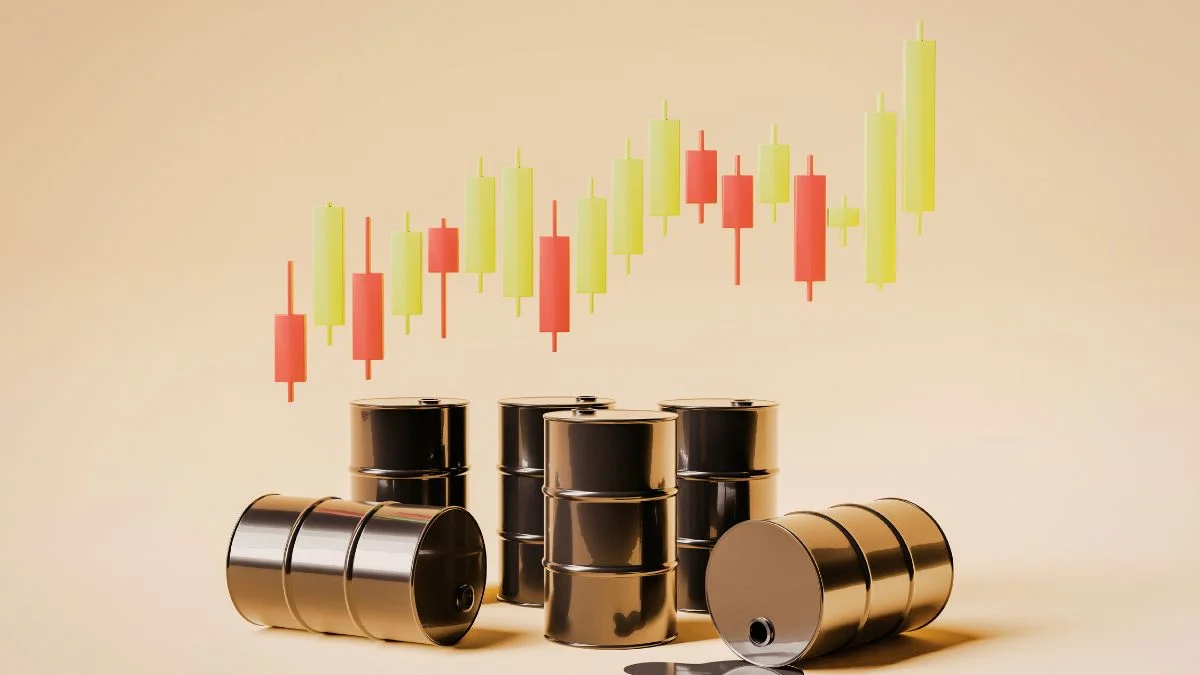
Crude oil softened on both major benchmarks, with WTI easing 1.00% to USD 103.34 per barrel and Brent shedding 1.40% to USD 110.53. The decline is modest enough to avoid alarm, but its direction matters. At over USD 110 for Brent, global energy costs remain elevated, and Indian petrol and diesel prices — even with domestic regulatory smoothing — face structural upward pressure. India imports roughly 85% of its crude requirements, meaning every dollar held at these levels quietly erodes the current account and nudges fuel subsidy arithmetic in an uncomfortable direction for policymakers. Natural gas was the lone energy bright spot, rising 2.98% to USD 3.11 per MMBtu, potentially reflecting early-season demand signals or tightening LNG supply flows into Asian markets.
Copper’s 1.76% decline to USD 6.20 per pound reinforces concerns about the pace of Chinese industrial recovery. The red metal is among the most reliable barometers of manufacturing health, and sustained weakness here suggests that global factory order books are not yet firing on all cylinders. Combined with silver’s drop, the industrial demand picture remains fragile, though not alarming.
On the agricultural front, wheat edged up 0.53% to USX 668.00 per bushel, a development Indian food inflation watchers cannot ignore. India’s wheat procurement season is under way, and any sustained international price strength could complicate domestic management of cereal prices. Corn slipped marginally by 0.37% to USX 475.25, offering modest relief on the feed-cost side.
For the Indian household, the composite picture is one of persistent pressure. Gold at near-record rupee prices delays wedding jewellery purchases; firm crude sustains elevated fuel bills; and wheat prices offer little comfort on the roti budget. Traders next week will be watching US Federal Reserve minutes for any shift in rate-cut language, Chinese PMI data for manufacturing clues, and OPEC+ compliance figures — each capable of sharply redirecting these trends.